

Key Takeaways
- Sensory activities engage sight, sound, smell, touch, and taste to help memory care residents stay connected and engaged.
- Personalized experiences based on a resident’s life story and interests create more meaningful moments throughout the day.
- Common sensory activities include music, creative arts, gardening, cooking, and spending time in nature.
- A strong memory care neighborhood incorporates sensory experiences into daily routines, community spaces, and social opportunities.
- Families should look for personalized programming, experienced dementia care, welcoming environments, and consistent communication when evaluating memory care communities.
What Sensory Activities Do for Memory Care Residents
Living with Alzheimer’s disease or another form of dementia changes how people experience the world around them. While memory and communication may become more challenging over time, familiar sounds, comforting textures, favorite scents, and meaningful activities can still create moments of recognition and connection. These experiences often reach people in ways that conversation alone cannot.
For families exploring memory care, understanding the role of sensory activities can provide reassurance during a difficult decision. Thoughtfully planned experiences help residents stay engaged throughout the day, encourage social interaction, and create opportunities for joy, all while supporting a person-centered approach to care.
What Sensory Activities Actually Do for Memory Care Residents
Sensory activities are designed to stimulate one or more of the five senses through familiar, enjoyable experiences. Rather than focusing on what someone has lost, these activities build on remaining strengths and personal interests, helping residents stay connected to themselves and the people around them.
Some of the ways sensory activities can benefit memory care residents include:
- Encouraging memory recall through familiar music, scents, photographs, and meaningful objects.
- Reducing stress and anxiety by creating calming, predictable experiences.
- Supporting communication when words become more difficult to find.
- Promoting participation in daily activities and community life.
- Providing comfort through familiar routines and favorite pastimes.
- Strengthening relationships with family members, caregivers, and fellow residents.
Every resident experiences dementia differently, which is why the most meaningful sensory activities are tailored to each person’s history, preferences, and changing needs.
Sensory Activities in Memory Care
A well-rounded memory care program includes a variety of sensory experiences throughout the day. By engaging different senses, communities can offer opportunities for comfort, creativity, movement, and connection while helping residents remain involved in everyday life.
Music and Familiar Sounds
Music often reaches parts of memory that remain accessible even as dementia progresses. Favorite songs, live performances, singing, and gentle background music can spark memories, encourage movement, and create opportunities for residents to connect with others through shared experiences.
Hands-On Creative Activities
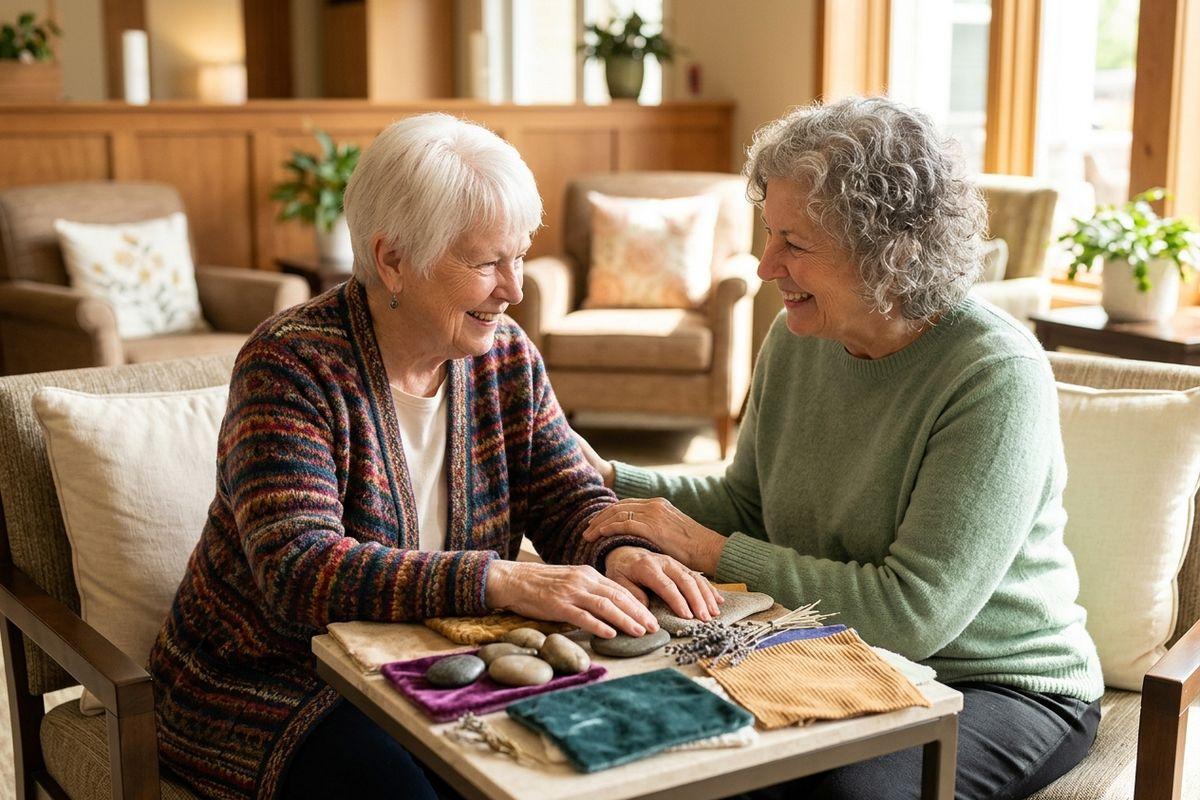
Painting, gardening, crafting, arranging flowers, and other creative activities allow residents to express themselves without relying on conversation alone. Working with different textures and materials also supports fine motor skills while encouraging a sense of accomplishment.
Scents, Textures, and Nature
The smell of fresh flowers, herbs, baked goods, or seasonal plants can bring back meaningful memories and create a calming environment. Soft blankets, textured fabrics, and time spent outdoors also provide comforting sensory experiences that help residents feel more grounded throughout the day.
Cooking and Familiar Everyday Experiences
Simple baking projects, preparing favorite family recipes, or helping with familiar household tasks can encourage participation while connecting residents to lifelong routines. These everyday experiences often combine several senses at once, creating meaningful moments that feel both comfortable and familiar.
How a Memory Care Neighborhood Brings It All Together
Meaningful sensory experiences are most effective when they become part of everyday life instead of occasional activities. A thoughtfully designed memory care neighborhood combines personalized programming, supportive environments, and compassionate relationships to help residents remain engaged from morning to evening.
Personalized Daily Routines
Consistent routines help create a sense of familiarity while giving residents opportunities to participate in activities that match their interests, abilities, and comfort levels. Familiar rhythms throughout the day can reduce uncertainty and encourage greater confidence.
Purposeful Community Spaces
Comfortable gathering areas, peaceful outdoor spaces, activity rooms, and quiet areas all contribute to a supportive environment. Different spaces allow residents to participate in sensory experiences that fit their preferences throughout the day.
Compassionate Team Members Who Know Every Resident
Getting to know each resident’s life story helps caregivers choose activities that reflect personal interests, favorite hobbies, family traditions, and lifelong routines. These personal connections make sensory experiences more meaningful and engaging.
Opportunities for Social Connection
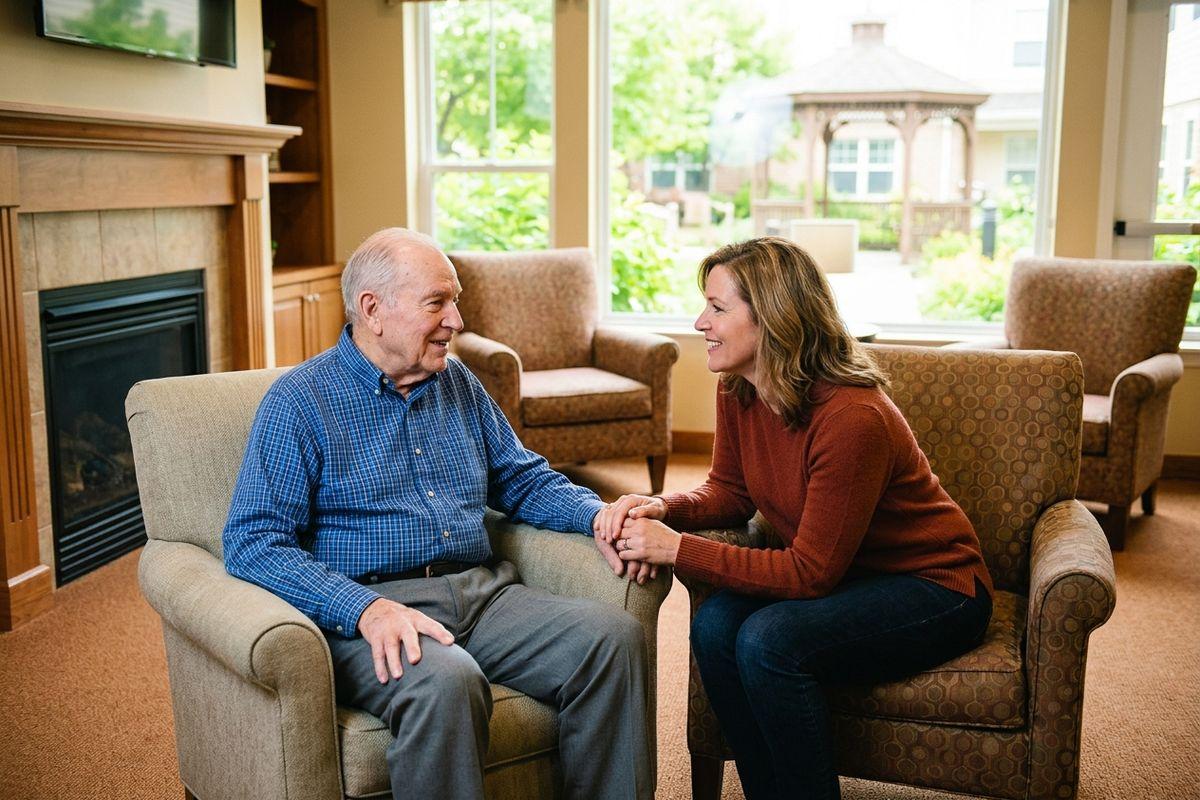
Group activities, shared meals, music programs, and family events encourage residents to spend time with others while participating at their own pace. These moments help foster a welcoming community where meaningful relationships can continue to grow.
A Calm Environment That Supports Well-Being
A thoughtfully designed neighborhood balances activity with quiet spaces for relaxation and reflection. Comfortable surroundings, familiar routines, and sensory-friendly environments help residents feel secure while encouraging participation throughout the day.
How to Choose the Right Memory Care Community
Every memory care community approaches programming differently, so it’s important to look beyond a calendar of activities. The best communities create meaningful experiences that reflect each resident’s personality while supporting their changing needs with compassion and consistency.
As you compare memory care communities, look for:
- Personalized care plans that reflect each resident’s interests and abilities.
- Daily programs that incorporate meaningful sensory experiences.
- Safe, thoughtfully designed indoor and outdoor spaces.
- Experienced team members trained in dementia care.
- Regular communication and partnership with families.
- A welcoming community culture that encourages dignity, purpose, and connection.
Taking time to visit a community, observe daily life, and ask thoughtful questions can help you find a neighborhood where your loved one will feel comfortable, engaged, and supported.
Find the Perfect Memory Care Community Today
Sensory activities play an important role in helping people living with dementia stay connected to the world around them. From familiar music and comforting routines to creative expression and meaningful social experiences, these moments support emotional well-being while helping residents continue living each day with purpose and dignity.
At Juniper Senior Living at Monroeville, our Wellspring Memory Care neighborhood is designed to support the whole person through personalized programming, compassionate relationships, and thoughtfully planned daily experiences. If you’re exploring memory care, schedule a tour today to see how we help residents feel connected, supported, and at home.